

As global focus on environmental protection and decarbonization intensifies, fueling systems and infrastructure are playing a critical role in driving the maritime industry’s green transition. The International Maritime Organization (IMO) has set a target to achieve net-zero emissions from international shipping by 2050, prompting governments worldwide to tighten regulations on marine fuels and accelerate the adoption of cleaner alternatives such as liquefied natural gas (LNG), hydrogen, ammonia, and green methanol.
These next-generation fuels require specialized technologies for storage, transport, and handling, while also driving ports and the shipping industry to adapt to new standards. As a result, the development of supporting alternative fueling infrastructure is rapidly emerging as a key focus across the industry.
Governments and regions around the world have introduced regulations and standards for alternative fueling systems to accelerate the transition to greener shipping. For example, starting July 1, 2024, a ban adopted under the International Maritime Organization (IMO) came into force prohibiting ships from using or carrying heavy fuel oil in Arctic waters, aiming to protect the fragile Arctic environment and prevent ecological damage from potential spills.
In addition, the European Union’s FuelEU Maritime initiative, which takes effect on January 1, 2025, requires a 2% reduction in the greenhouse gas intensity of maritime fuels by 2025, with a target of an 80% reduction by 2050.
In Asia, the Hong Kong Special Administrative Region (HKSAR) Government announced its Green Maritime Fuel Bunkering Action Plan on November 15, 2024, outlining five strategic pillars and ten specific actions aimed at developing Hong Kong into a high-quality green marine fuel bunkering hub.
Singapore is also actively advancing the development of alternative fueling infrastructure, laying the foundation for the future of clean-energy shipping. The country plans to build liquefied natural gas (LNG) bunkering facilities at major ports, while establishing frameworks for the use of green alternative marine fuels such as hydrogen and methanol. It is also expected to introduce design and safety standards for next-generation marine fuels by 2025.
In parallel, the Maritime and Port Authority of Singapore (MPA) is accelerating the planning and development of these facilities to meet the shipping industry’s growing demand for low-carbon energy solutions.
Japan began implementing policies related to liquefied natural gas (LNG) and hydrogen bunkering in 2024, alongside the introduction of relevant technical standards. For example, its Basic Hydrogen Strategy emphasizes the development of hydrogen safety standards and sets technical requirements for hydrogen fueling infrastructure, including proper storage and distribution, to ensure safe and efficient fueling operations.
In addition, Japan has launched its first domestic dual-fuel LNG bunkering vessel, which will operate in western Japan, particularly in ports across Kyushu and the Seto Inland Sea. This marks a significant step in advancing the country’s LNG bunkering capabilities. Beyond accelerating LNG adoption in the maritime sector, this initiative also lays the groundwork for the future use of other green alternative fuels.
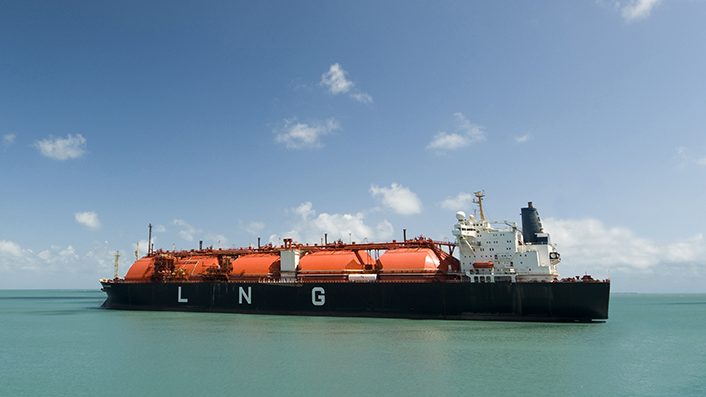
As these regulations take shape, global demand for green fuels continues to grow, accelerating the innovation and expansion of alternative fuel bunkering technologies and infrastructure. For example, Nikkiso has developed ammonia fuel solutions for marine applications, designed for integration into onboard fuel systems, and has received Approval in Principle (AIP) from the American Bureau of Shipping (ABS), supporting the maritime industry’s transition toward more sustainable fuels.
In addition, Nikkiso is an active participant in SEA-LNG, a global coalition dedicated to promoting LNG as a viable pathway for maritime decarbonization, while playing a leading role in advancing LNG bunkering infrastructure.
In summary, as global regulations surrounding alternative fuel bunkering continue to strengthen, regions including Hong Kong, Singapore, Japan, the Arctic, and the European Union are actively advancing the transition toward greener shipping. These efforts not only support the achievement of international decarbonization targets, but also lay a solid foundation for the future of low-carbon maritime transport—driving the continued growth of the green economy.
Nikkiso’s LNG bunkering systems have demonstrated a strong track record in clean energy maritime applications, with widespread adoption driven by their reliability and operational flexibility in both shipboard and shore-based fueling environments.
Broad Applications: Nikkiso cryogenic pump technology is widely used in LNG marine fuel systems, port bunkering infrastructure, and onshore fueling stations. These systems are trusted by major shipping companies and infrastructure operators worldwide, while supporting compliance with IMO emissions regulations.
Technical Capabilities: Nikkiso’s cryogenic pumps and bunkering systems are designed to handle LNG transfer under varying pressure conditions, delivering high efficiency and stable performance. This helps avoid common challenges associated with traditional pressure-transfer methods, such as vaporization losses or pump failures. In addition, the system supports the transfer of other alternative fuels, including ethylene and propane, enhancing overall operational versatility.
Proven Track Record: Nikkiso systems are already in service on nearly 400 LNG-fueled vessels, including applications requiring high-pressure LNG fuel systems such as MAN ME-GI engines. The designs comply with major marine classification standards, including ABS, Bureau Veritas (BV), DNV, Lloyd’s Register (LR), and ClassNK.
Service and Support: Nikkiso CE&IG provides comprehensive global support, including installation, commissioning, testing, and long-term maintenance services to ensure reliable system performance throughout the lifecycle.
Sources:
International Maritime Organization (IMO)
Maritime Logistics Professional
Hong Kong Special Administrative Region Government – Press Releases
The Singapore Economic Development Board (EDB)
Manifold Times
Seatrade Maritime News
Ministry of Economy, Trade and Industry (METI), Japan
New Energy and Industrial Technology Development Organization (NEDO)
SEA-LNG