


Nikkiso’s hydrogen refueling station solutions center on key components and proprietary cryogenic technology, delivering efficient one-stop hydrogen solutions. All products are designed and manufactured by Nikkiso Cryogenic Industries.
With over 50 years of cryogenic expertise, Nikkiso secured multiple hydrogen station contracts in California and South Korea in August 2022, aiming to establish over 200 stations by 2025, further strengthening its global leadership in hydrogen infrastructure.
A Hydrogen Refueling Station (HRS) is essential infrastructure for fueling hydrogen fuel cell vehicles (FCVs). Equipped with storage, compression, and dispensing systems, it enables fast and safe hydrogen refueling to meet clean energy demands.
As a key component of hydrogen infrastructure, HRS supports zero-emission transportation and facilitates the transition to sustainable energy.
.350bar or lower dispensing for: fuel cell buses, forklifts, trucks, trains, etc.
.700bar dispensing for: fuel cell passenger vehicles, trucks, etc.
.LH2 Supply Solutions
.LH2 trailer offloading stations or satellites
.LH2/GH2 trailer loading stations or satellites
.LH2 transfilling stations with above trailer loading stations or satellites
.LH2 bunkering system
.LH2 fuel gas supply system (FGSS)
.LH2 regasification system
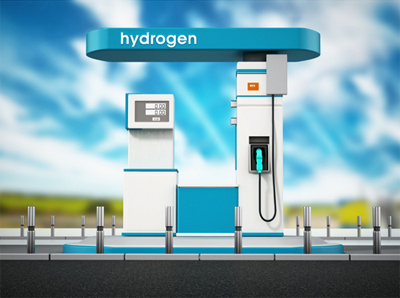
A typical hydrogen refueling station is an integrated system designed to efficiently and safely dispense hydrogen gas (H₂) and liquid hydrogen (LH₂) for fuel cell vehicles (FCVs) and other hydrogen applications. Key components include storage, compression, cooling, dispensing, monitoring, and safety systems to meet technical standards while enhancing operational efficiency and safety.
Nikkiso’s pumps, liquefaction systems, modular packages, vaporizers, refueling stations, tanks, cooling systems, and control panels can be used individually or in combination.

Taiwan’s hydrogen refueling stations have a promising future. With government support, technological advancements, and growing market demand, they will play a key role in advancing hydrogen energy and sustainable development.
The Taiwanese government actively promotes the hydrogen industry, planning to establish multiple hydrogen refueling stations and promote hydrogen fuel cell vehicles to reduce emissions and enhance energy independence.
Taiwan is gradually enhancing its hydrogen infrastructure, integrating refueling stations with other renewable energy systems (such as wind and solar power) to improve the green production of hydrogen and support the full hydrogen industry chain.
More efficient hydrogen storage and transport methods, such as liquid hydrogen storage and high-pressure hydrogen technologies, are being adopted to improve the performance and safety of refueling stations.
With the promotion of hydrogen-powered buses and trucks, the demand for hydrogen refueling stations in Taiwan is increasing.
With the development of IoT and AI technologies, hydrogen refueling stations are becoming more digital and intelligent, improving operational efficiency, safety, and enabling automated operations to reduce labor costs.
Taiwan actively collaborates with hydrogen-leading nations to accelerate the development of domestic hydrogen technologies through technical exchange and cooperation, enhancing international market competitiveness.